
Books
by author Carolyn Newton.
Songs of the Dead Road is a sweeping tale of memories, survival and redemption, perfect for fans of Kristin Hannah and Heather Morris.
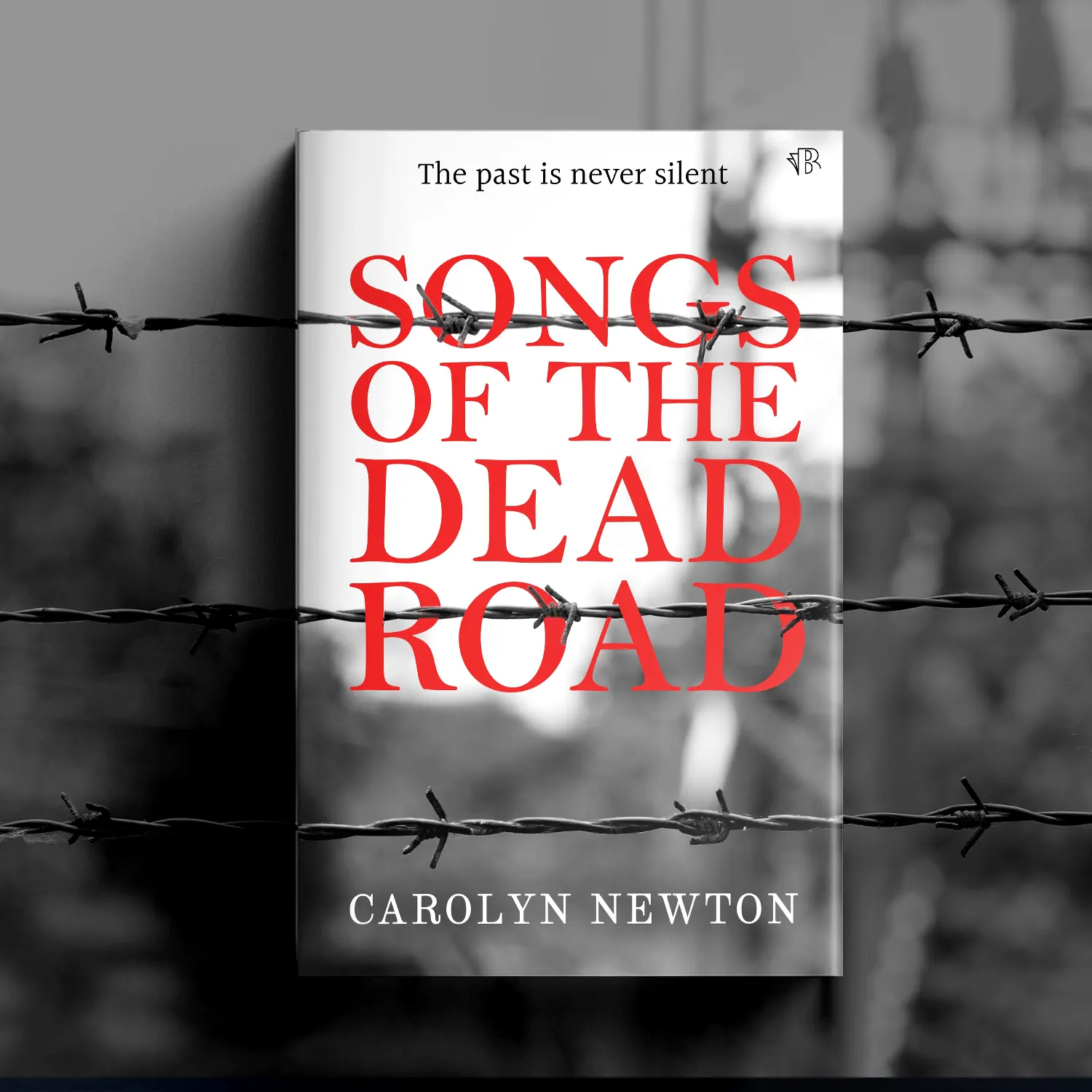
Every note tells a story of those the world forgot. But remembrance comes at a price.
Songs of the Dead Road
In the shadows of post-war Soviet Union, brilliant pianist Ján Balik, a quiet and sensitive survivor, has spent decades gathering the stories of the missing and the broken. He weaves their grief into melodies, ensuring every composition preserves their memory. But Ján carries his own hidden scars: the loss of his family in Nazi-occupied Poland, the brutal years inside an orphanage and a labor camp, and the memories of the infamous “Dead Road” that refuse to let him go. For years, he has buried his pain in his music.
When Harper Burns, an ambitious reporter, arrives in search of the truth about Soviet orphanages, she believes Ján is the key to a long overdue reckoning. To help her uncover the fate of the missing children and to complete his final composition, Ján must finally confront the story he has spent a lifetime avoiding: his own.
Journey on the Dead Road: Orphanages and Gulags
Ján Balik is a product of my imagination, but his story is gleaned from accounts of very real children who suffered as orphans, outcasts, or enemies of the State under a brutal Soviet regime.
During the years of Josef Stalin’s iron-fisted control over the Soviet Union, the authoritarian government stripped the people of thirteen entire nationalities of their assets and deported them from their homes to faraway and forbidding regions. They were accused of treason, painted as undesirable. The children of stigmatized minorities and the offspring of enemies of the State shared their parents’ culpability for perceived crimes. The dreaded knock on the door signaled an unimaginable journey through the grief of dispossession, arrest, exile, resettlement, forced labor, discrimination, starvation, trauma, or all too often, death. Those who survived were tainted for life.

In the years after the Second World War, the near impenetrable walls of the Iron Curtain closed around those in the conquered territories with destruction meted out as revenge for the horrors suffered by the Soviets in the war years. Children of the defeated were, like their parents, war criminals. They were tossed into an abyss of terror and deprivation. They were subject to deportation to Siberian prisons or forced labor camps. If the men, women, and children survived the treacherous journey, they were separated, put to work in mines or fisheries in the far Arctic north, and dumped without provisions to survive in one of the Earth’s most brutal climates. The toll on human lives was staggering. In Children of the Gulag, Cathy A. Frierson and Semyon Vilensky note that deaths from political repression during the Soviet era likely exceeded 20 million people with conservative estimates of 10 million children becoming orphans as a result.
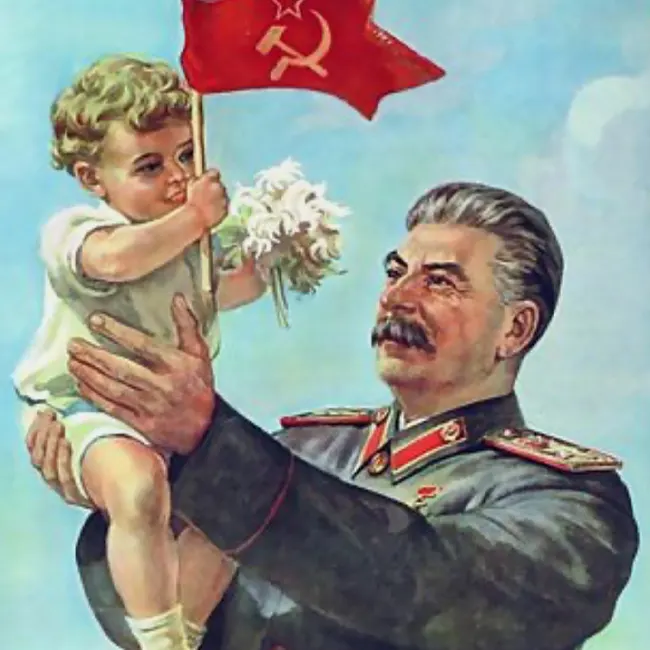
In a heartbreaking paradox, the success of the Soviet State depended on molding its children into enthusiastic cheerleaders for the transformation of society. Propaganda cast Stalin as the benevolent father figure under the oft-repeated slogan, “Thank you, dear Comrade Stalin, for a happy childhood!” The reality was a markedly different story. Of all the people targeted for repression, 40 percent were children. Infants and toddlers were required to accompany their mothers to the gulags and camps where they languished in bleak and sordid wards with high mortality rates. Many that survived suffered developmental delays.
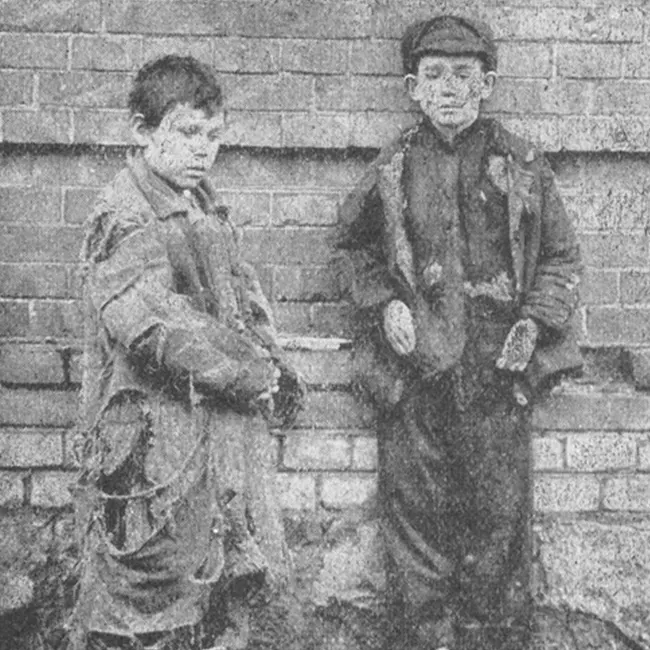
For many orphaned children, including those irreparably separated from their families, a horrific reality was the Soviet system of orphanages. Records are incomplete, but evidence points to a vast network of state-run institutions that received little support or scrutiny. For millions of victims, starvation and malnutrition were common, including reliable reports of children scavenging trash bins for something to eat. They lacked adequate clothing and shoes in overcrowded facilities where it was not unusual for one squalid mattress with no sheets or blankets to serve as a bed for as many as four children.
Heat, medicine, and kindness were in short supply, and afflictions such as typhus, malaria, dysentery, scurvy, rickets, ringworm, and lice were rampant. Mortality rates were grim, with rare inspections documenting and then ignoring facilities that did not practice proper sanitation procedures to bury the dead.
Ján’s experience at the No. 15 Home reflects the official reports as well as interviews from those who survived as wards of the state.
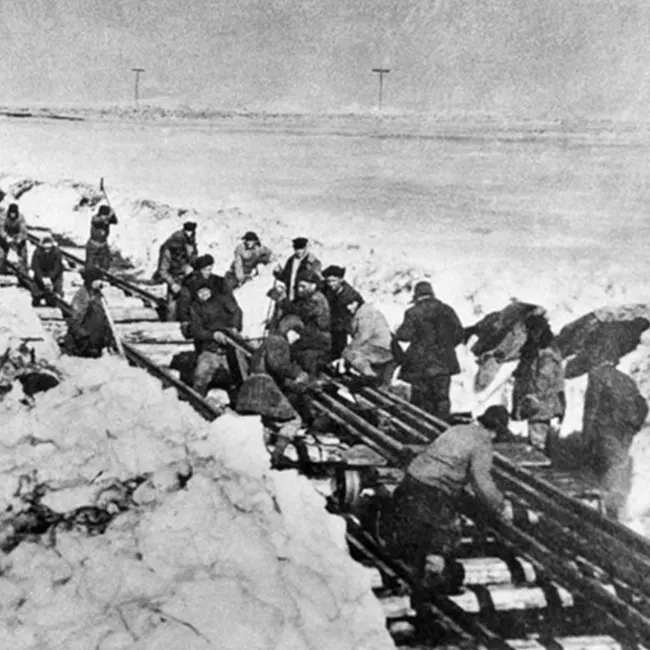
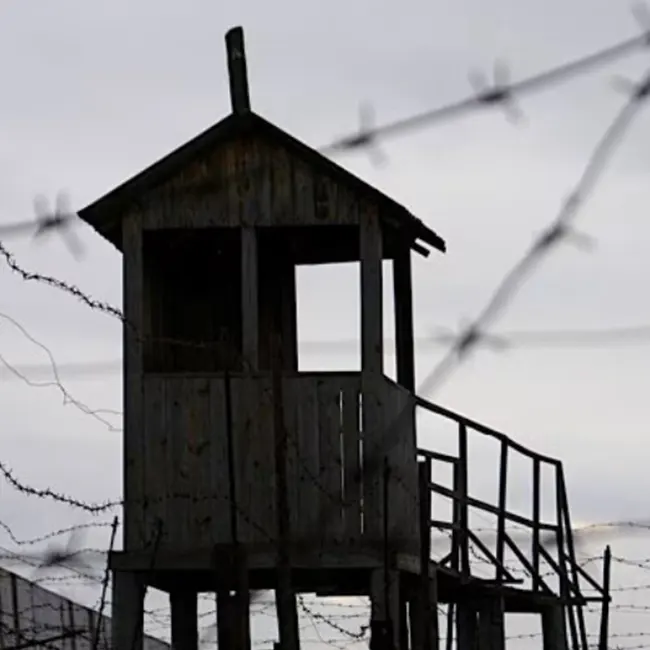

The Dead Road project where Ján labored in the story was a real and horrifying place. Known officially as the Salekhard to Igarka Railway or the Transpolar Mainline, it was a doomed component of the gulag system with the singular purpose of building a railway across the hostile and forbidding terrain of northern Russia. Labor was supplied by convicts, both men and women, the majority of whom were political prisoners convicted of acts against the Soviet State. The extreme climate and ghastly conditions earned the project its nickname, the Dead Road.
The Barabanicha Labor Camp was one of the prisons built along the route. It was an enormous facility designed for up to a thousand prisoners and featured a hospital, color-coded barracks, dog kennels, and the ubiquitous solitary punishment cells. Remains of the Barabanicha camp still exist deep in the far north where they remain almost impossible to reach without detailed planning and specialized equipment.
Anne Applebaum’s prize-winning Gulag: A History is a sweeping exploration of the hellish experience in Soviet gulags. Hidden deep in this monumental work is a drawing, roughly sketched by Benjamen Mkrtchyan in 1953 and captioned “In the barracks: inmates listening to a prisoner musician.” Depicting five men huddled around a sixth strumming a guitar, this poignant image inspired Ján’s transformative journey through Barabanicha.
Catriona Kelly’s Children’s World: Growing Up in Russia 1890–1991 and Cathy A. Frierson’s and Semyon Vilenskey’s Children of the Gulag, both published by Yale University Press, are excellent resources for authoritative information on gulags and orphanages. Claudia Heinermann’s Siberian Exiles trilogy is a brilliant compilation of vintage and contemporary photographs along with stunning interviews with survivors of the exiles. Her dedication to celebrating the stories and identities of those who suffered such cruelties adds a needed human touch to the staggering and overwhelming statistics of loss.
Sophy Roberts’s The Lost Pianos of Siberia tells an astounding tale of artistry and beauty in exile. I found her book after I had written Songs of the Dead Road and was delighted to see in her gorgeous descriptions of Siberia a reference to Leonid Kaloshin, a man living in a remote village who cobbled together a library in his home for his neighbors and who dreamed of adding a concert hall complete with a grand piano to his modest dwelling. She also introduced me to the story behind the Red October pianos.
My gratitude to them for their copious research into primary documents and the countless interviews they conducted to offer a full picture of this terrifying chapter in human cruelty and the beauty that managed to grow through the cold and the cracks.