
Books
by author Carolyn Newton.
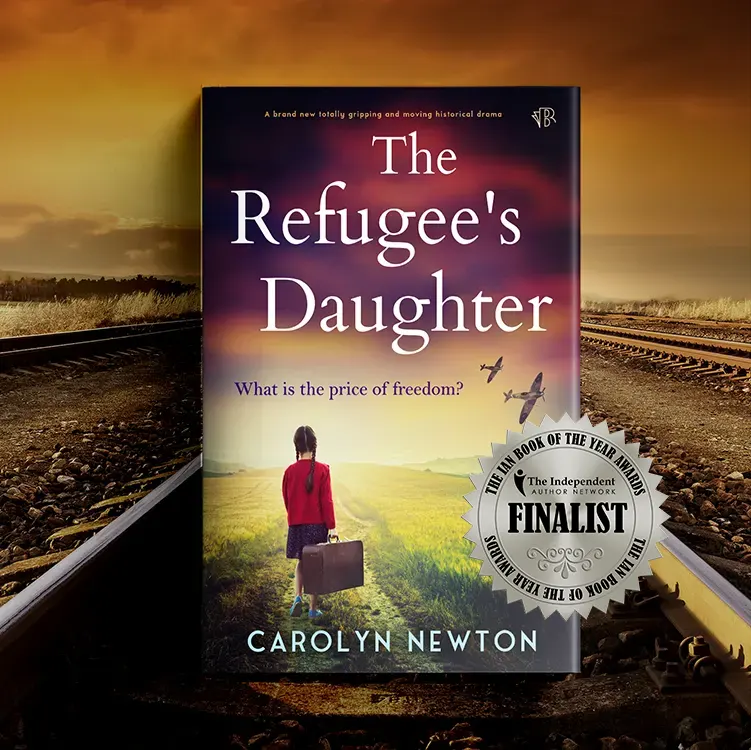
The Refugee's Daughter
THE REFUGEE’S DAUGHTER is the story of a fractured family and the power of a loving daughter to confront the truth and bring about redemption and reconciliation.
In a sweeping tale that takes the reader from war torn East Prussia and the horrors of Soviet gulags to the forests of Lithuania and a new life in the United States
The Wolfskinder
Near the Russian town of Sovetsk, formerly known as the German city, Tilsit, there is a memorial known as Wolfskinder-Denkmal, a monument dedicated to the tens of thousands of German children left to wander the countryside at the end of the Second World War. It is a silent witness to the grim conditions faced by innocent souls caught in the crosshairs of hatred and violence for which they bore no responsibility but for which they endured an unimaginable weight of consequences.
East Prussia, a fabled land of Teutonic Knights, held a storied place in Germany’s history. Far removed from the halls of power in Berlin, the region thrived on the shores of the Baltic Sea. It held strategic importance for its proximity to Poland, the Baltic regions, and the Soviet Union and was the only part of Germany to be invaded during the First World War. It was here that Hitler built his Wolfsschanze, the “Wolfs Lair,” to his own exacting specifications, intending that it should protect the German frontier.
Populated by ethnic Germans, East Prussia was invaded by Soviet troops in early 1945. Their goal was the destruction of Germany and retribution for the war’s toll on their fellow Russians, so they descended on the region and its capital, Königsberg, with a vengeance. Families were turned out of their homes and, if they survived, they were forced east to labor camps deep in the Soviet Union or compelled to scavenge for their survival. Men disappeared, never to be heard from again. Women and children were ruthlessly assaulted and killed. Escape was not freedom, for without food or shelter, many succumbed to the harsh elements.
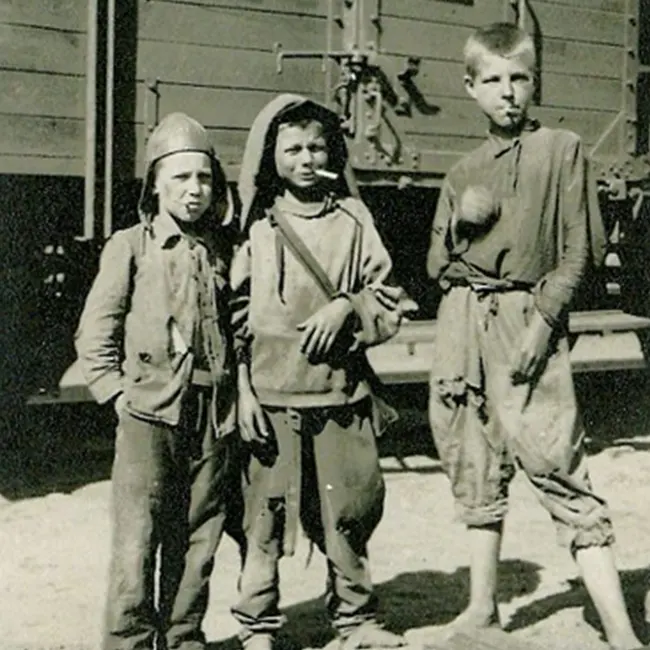
In the mayhem that followed the Soviet invasion, children were left to fend for themselves. Called Wolfskinder in German or Vokietukai in Lithuanian, they endured a feral existence, scrounging for survival and fleeing into the Baltic Forest to hide. Some traveled back and forth to Lithuania to beg or steal food, and others found refuge with Lithuanian farmers, themselves struggling to survive under a harsh Soviet regime. The children fortunate enough to settle with families had to melt into a foreign society and hide their German heritage. They abandoned their names, their language, and their education to avoid arrest and deportation to gulags or orphanages.
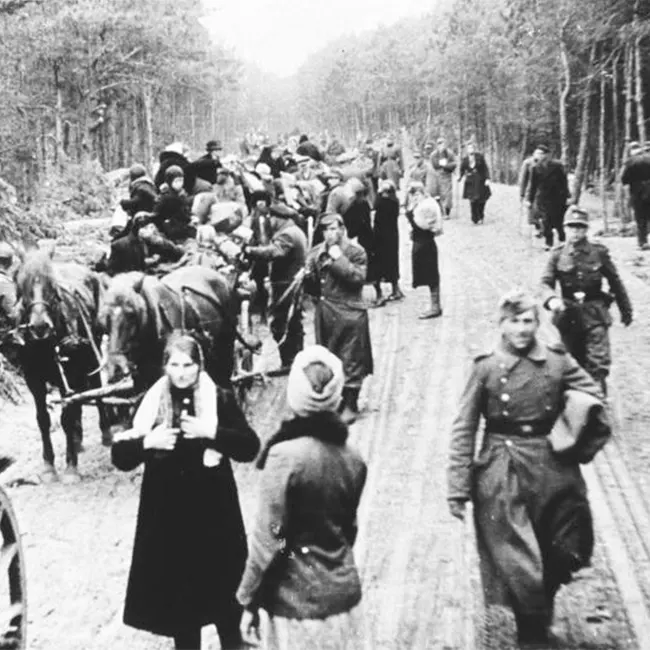
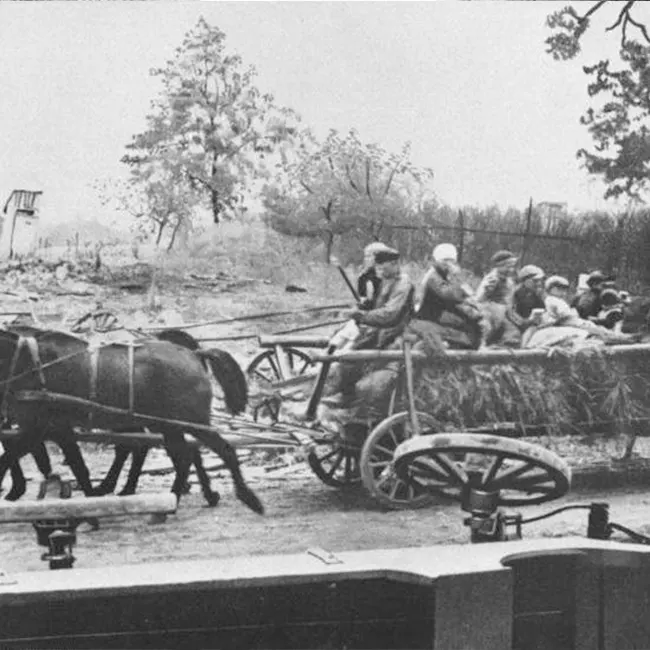
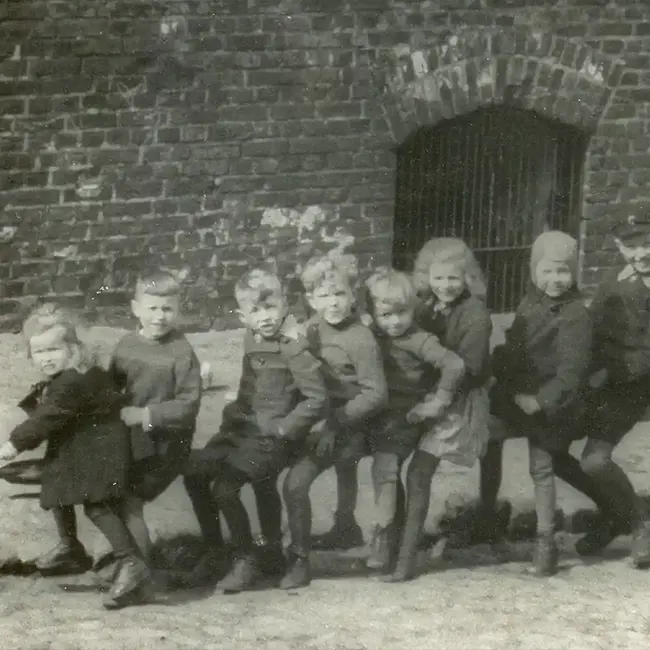
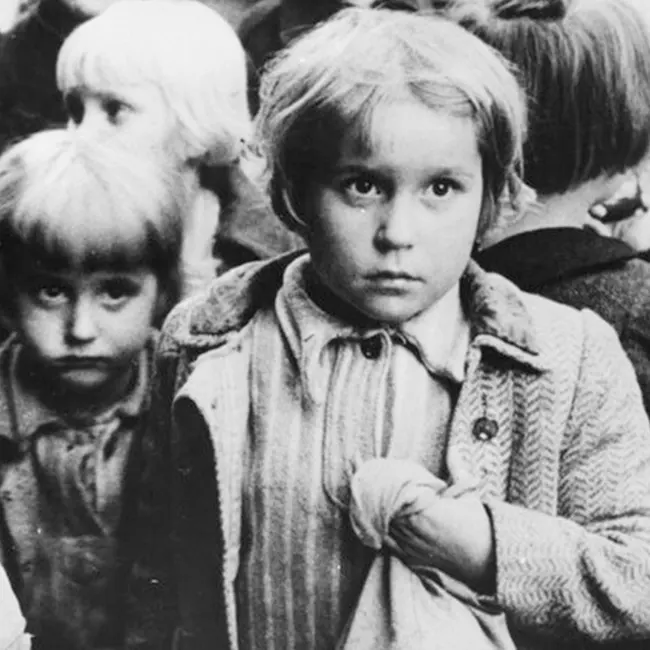
Wolfskinder lived in obscurity until the fall of the Soviet Union in 1990, when some of the survivors, by then adults, told their stories. It is difficult to know the exact numbers, and few are alive today to bear witness. Many of those who lived to tell their tales have struggled to locate lost family members, reclaim their heritage, and restore their German citizenship. The society Edelweiss – Wolfskinder in Lithuania is one of the organizations working to preserve and tell the survivors’ stories. Ursula Dorn, Evelyne Tannehill, and Liesabeth Otto are among the many Wolfskinder who shared their stories in print. German historian Ruth Lieserowitz has focused her work on the lives of the Wolfskinder, yet there are few translations to share the history with a broader international audience.
Writer and director Rick Ostermann released the harrowing story on film in 2013 with a dramatized account titled Wolfskinder. Photographer Claudia Heinermann interviewed and photographed survivors for her book, Wolfskinder, which was nominated for the Prix du Livre in Arles in 2016. In 2019, photographer Lukas Kreibig published his photographs and an account of his experiences with Wolfskinder in the National Geographic. That same year, Lithuanian poet Alvydas Slepikas wrote an unflinching fictionalized account based on the experiences of one Wolfskind whom he knew. His novel, IN THE SHADOWS OF WOLVES, was named a Times Book of the Year. This is only a sampling of the many opportunities to learn more.
The few remaining Wolfskinder are elderly. They carry with them the ancient traumas and cling tenuously to a harrowing history. We must remember their pain and carry their stories forward.