Resources
Updates and resources from author Carolyn Newton
Watch The Videos
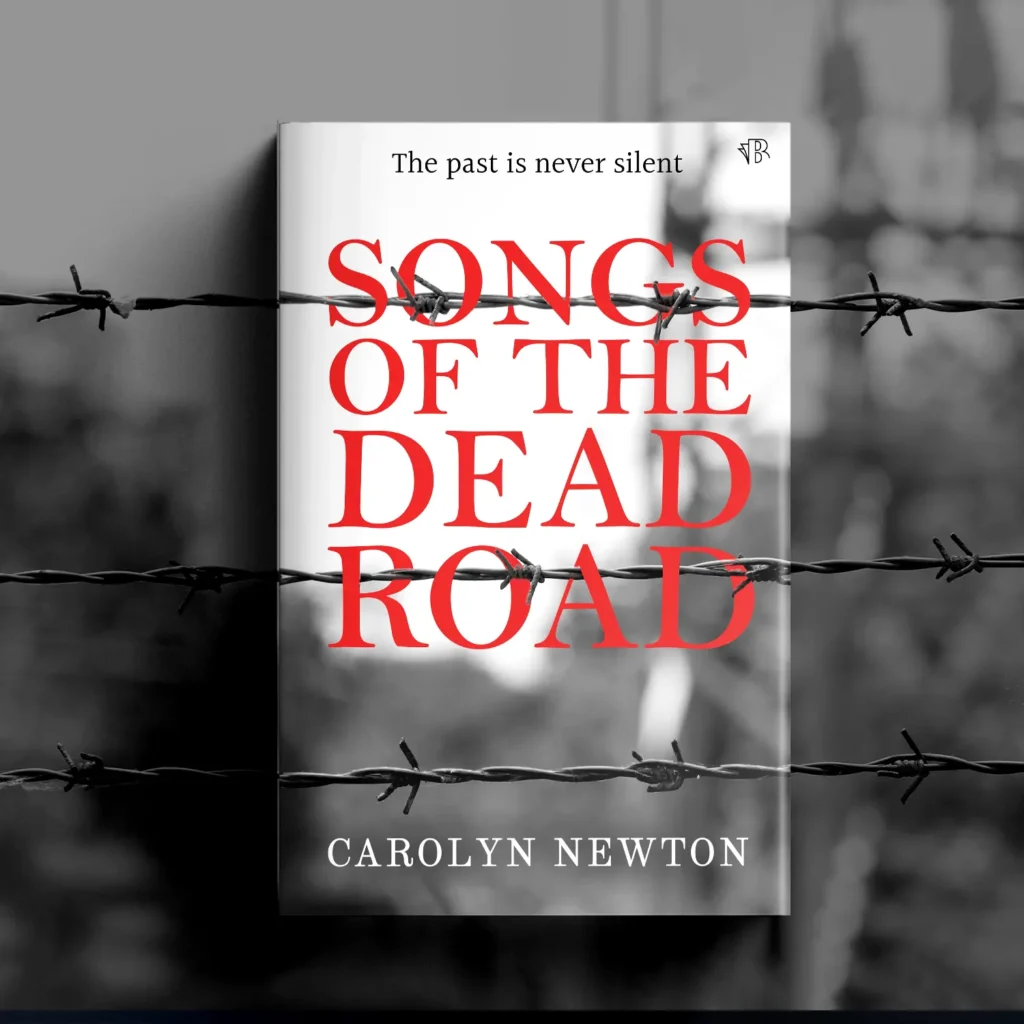
Songs of the Dead Road
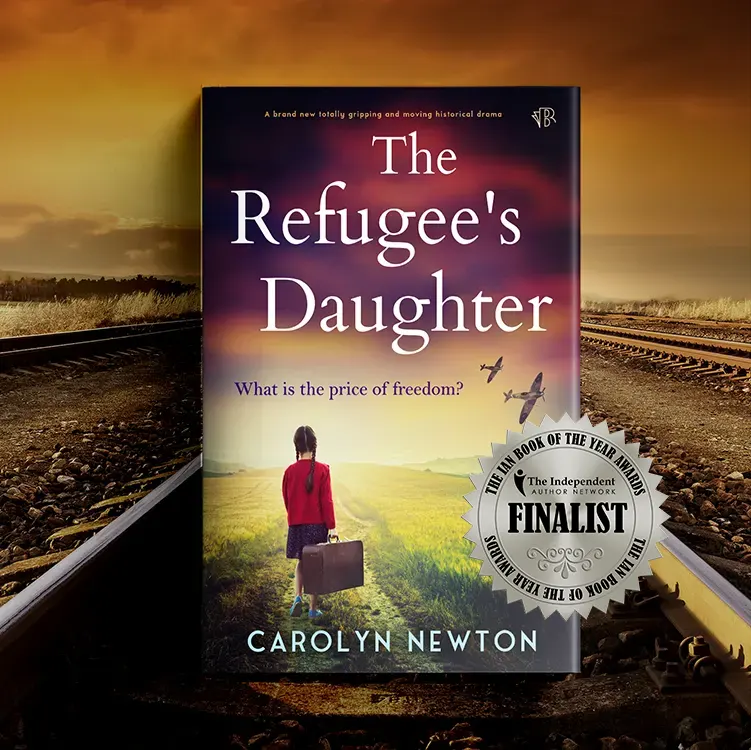
The Refugee's Daughter
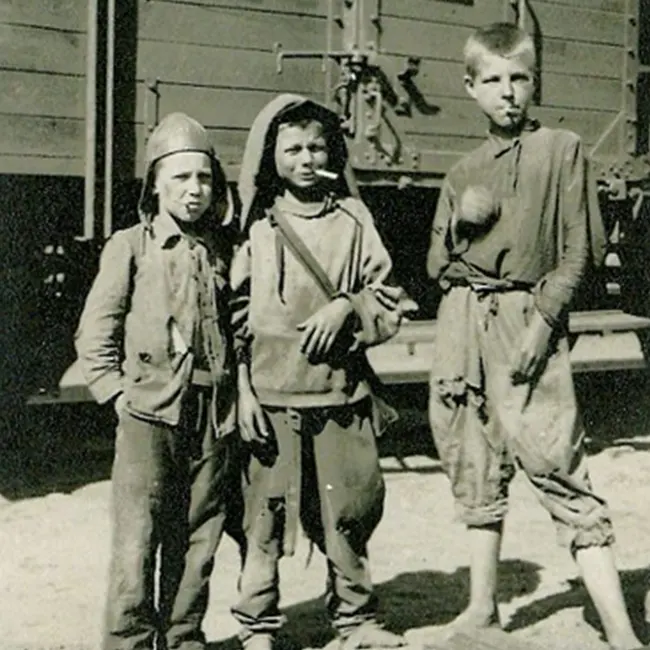
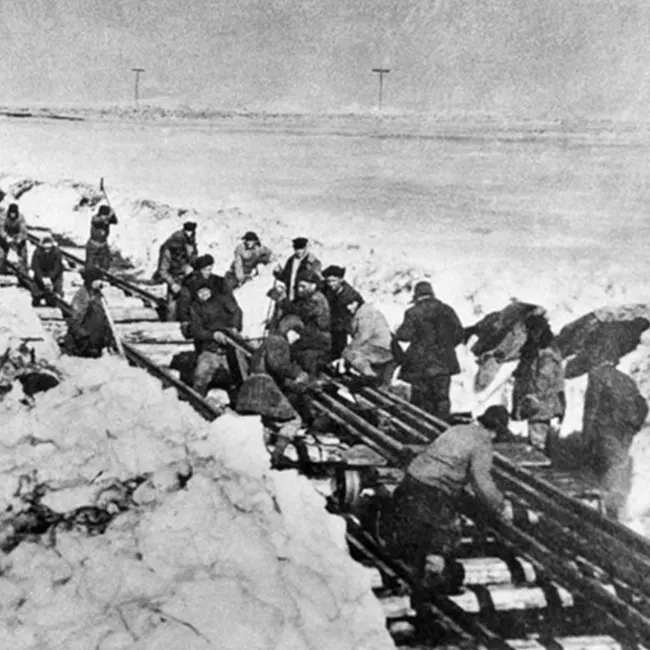
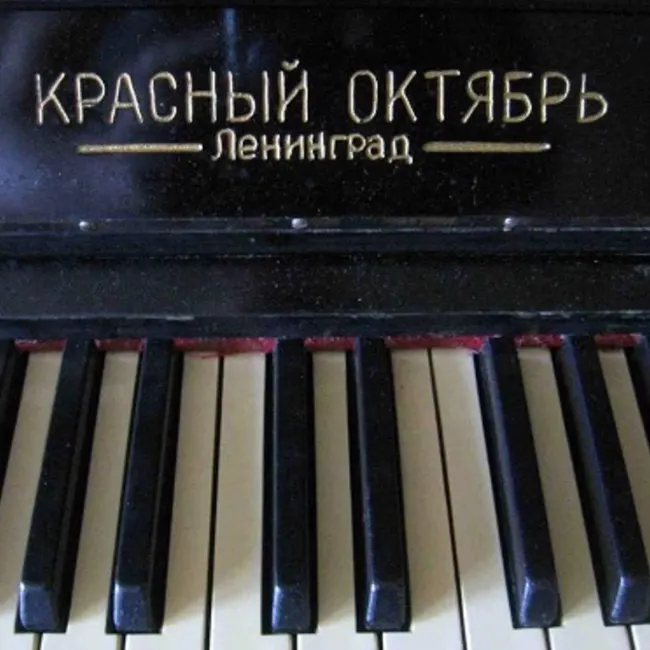
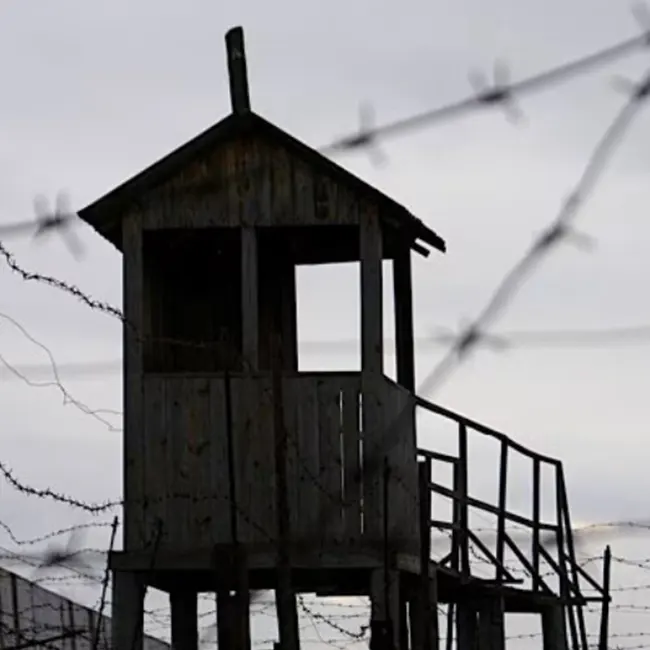
Songs of the Dead Road
Discussion Questions
1. ) In Songs of the Dead Road, Ján Balik journeys over 6000 miles from Warsaw, Poland to Yakutsk, Russia. His travels over a vast and forbidding terrain mirror his other journeys: emotional, musical, and chronological. How does the ending reflect the many milestones in his fractured life?
2. ) Ján’s life is shaped and haunted by influential women. Who are the primary influences in his life and how did each contribute to his turmoil and redemption?
3. ) Ján was born into a life of privilege, yet from the first page, he is cast as an outsider. At what point in his story did he experience the greatest sense of acceptance and belonging?
4. ) Ján suffers physical and emotional trauma throughout his young life. How does he draw strength from his scars and in what ways is he crippled by them?
5. ) Where does Ján find himself most at home?
6. ) What does the looming statue of St. Seraphim symbolize in the book?
7. ) How does the near constant presence of snow and ice act as a metaphor in Ján’s story?
8. ) The Dead Road is the name given to a specific place, but how does the concept of a “dead road” hold deeper meaning in Ján’s story?
9. ) The Sakha community offers Ján a respite from his searching. His relationships with Alban and Sofya are transformative, but what other aspects of this deeply-rooted culture provided Jan with purpose and healing?
10. ) In what ways do we see current events echo the frightening experiences of Ján’s childhood?
The Refugees Daughter
Discussion Questions
1. ) The story unfolds through the voices of multiple characters: Giti, Otto, Brigit, and Lukas. How does each character’s perspective add to your understanding of a complex period of history?
2. ) What role does guilt play in motivating the actions of each of the characters?
3. ) Margie Binz is reluctant to delve into Otto’s past, and she resists exploring a fuller understanding of her daughter, Brigit. How might her character represent the way society treats survivors of trauma?
4. ) Otto’s and Margie’s relationship seems to be missing warmth and companionship. How might his past experiences have affected his expectations from love and marriage?
5. ) Generational trauma refers to psychological and emotional wounds that have accumulated over time and transferred to future generations. How might generational trauma give context to Brigit’s life choices – her career, her marriage, her compromises, and her sense of responsibility for her father?
6. ) What role does the wildness of nature play in the story?
7. ) In the beginning of the story, Otto is portrayed as the source of good cheer in a depleted family, yet as the narrative unfolds, it is Giti who seems to rally friends and defenders around her. How do you account for the shift in their situations?
8. ) Giti and Otto befriend an injured boy on the train who appears out of the blue and then disappears just as suddenly. How might this character foreshadow Otto’s and Giti’s fates?
9. ) How are each of the characters affected by access to or lack of access to strong women in their lives?
10. ) In looking back and studying periods of conflict in our collective past, how should we apply our own moral code to judge people’s actions? Who deserves understanding and who deserves condemnation?